Sur-Sureste Creativo
- Country /
- Mexico
- Services /
- Collaborative innovation
- Year /
- 2023 - 2024
- Topics /
- Public innovation, Creative economies, Participatory design, Public Policies
Context
The Southern-Southeast region of Mexico, consisting of states such as Yucatán, Campeche, Chiapas, and Oaxaca, is characterized by its invaluable cultural and creative heritage. Sectors like handicrafts, deeply rooted in local communities, and a vast patrimony tied to tourism, have positioned this region as an attractive epicenter for audiovisual productions, thanks to its stunning locations.
Despite this potential, the region faces significant challenges that hinder its development. In this context, Creative and Cultural Industries (CCI) emerge as a strategic opportunity to stimulate value chains, strengthen local services, attract investments, and generate a sustainable impact on local economies. Beyond their economic contribution, CCIs are transformative tools that revitalize urban environments, promote tourism, and consolidate the social and economic fabric of communities.
However, the growth of the CCIs faces important barriers, such as a lack of reliable data on their economic impact, limited intersectoral collaboration, and fragmented public policies. These limitations have prevented the sector from fully unleashing its potential as a key driver of regional development, capable of transforming communities and promoting inclusive and sustainable growth.
Challenge
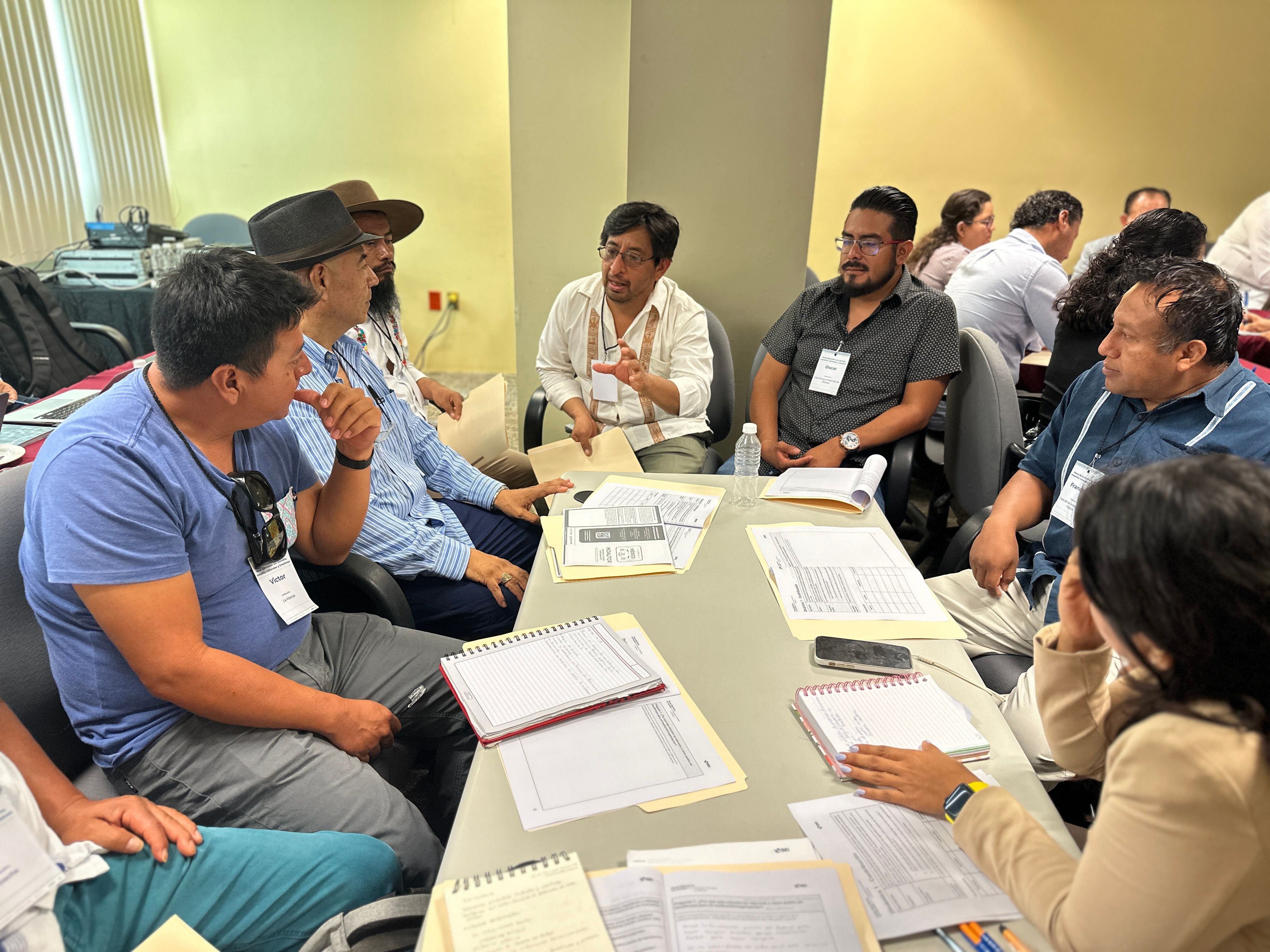
To unlock the potential of CCIs as drivers of economic and social development, UNIT, in collaboration with the IDB, implemented a strategic intervention aligned with its vision of creative economies. The initiative prioritized training, co-creation, and collaborative work by establishing permanent executive working groups that facilitate public-private collaboration, identify bottlenecks, and promote concrete solutions for sector development.
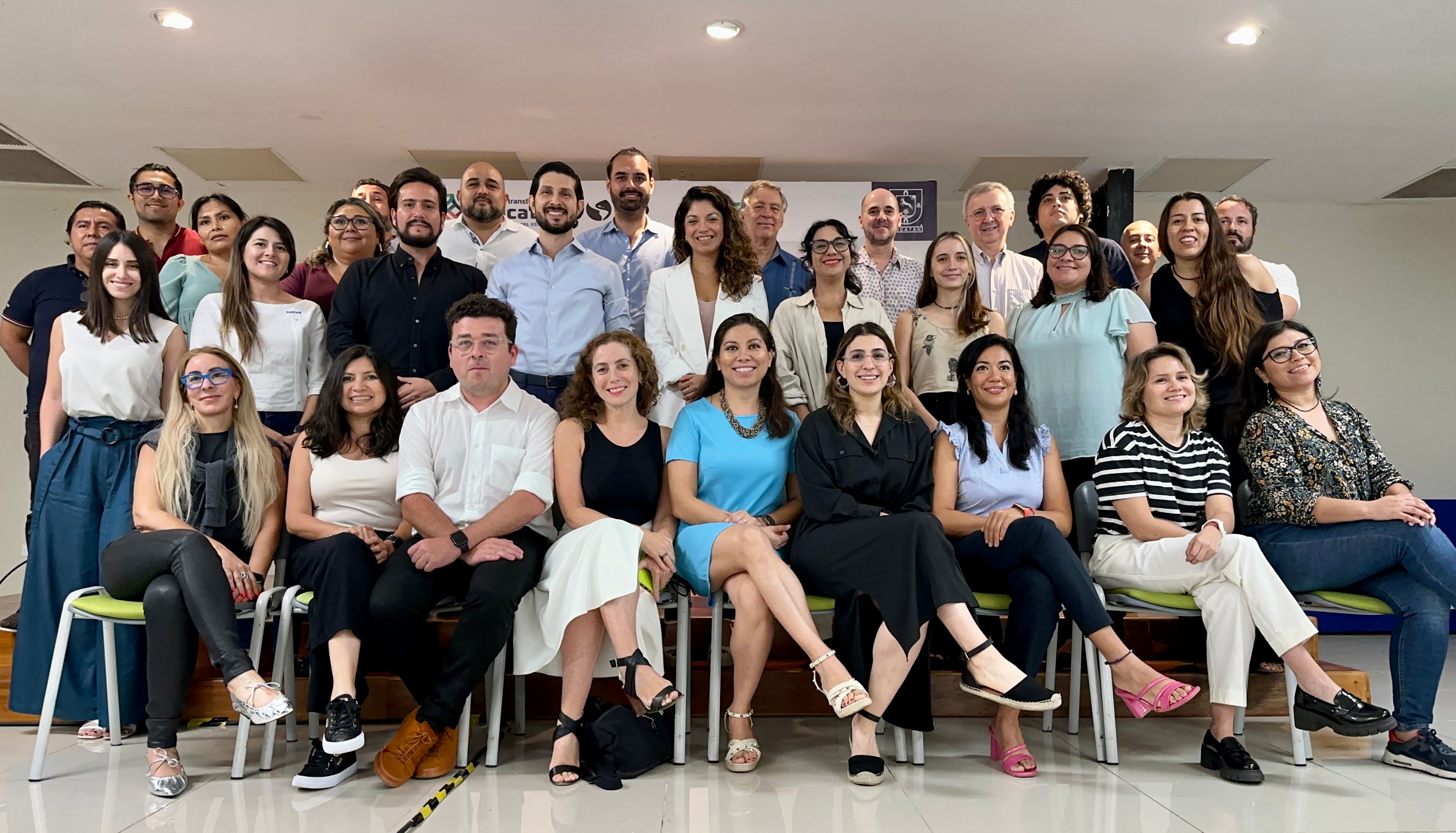
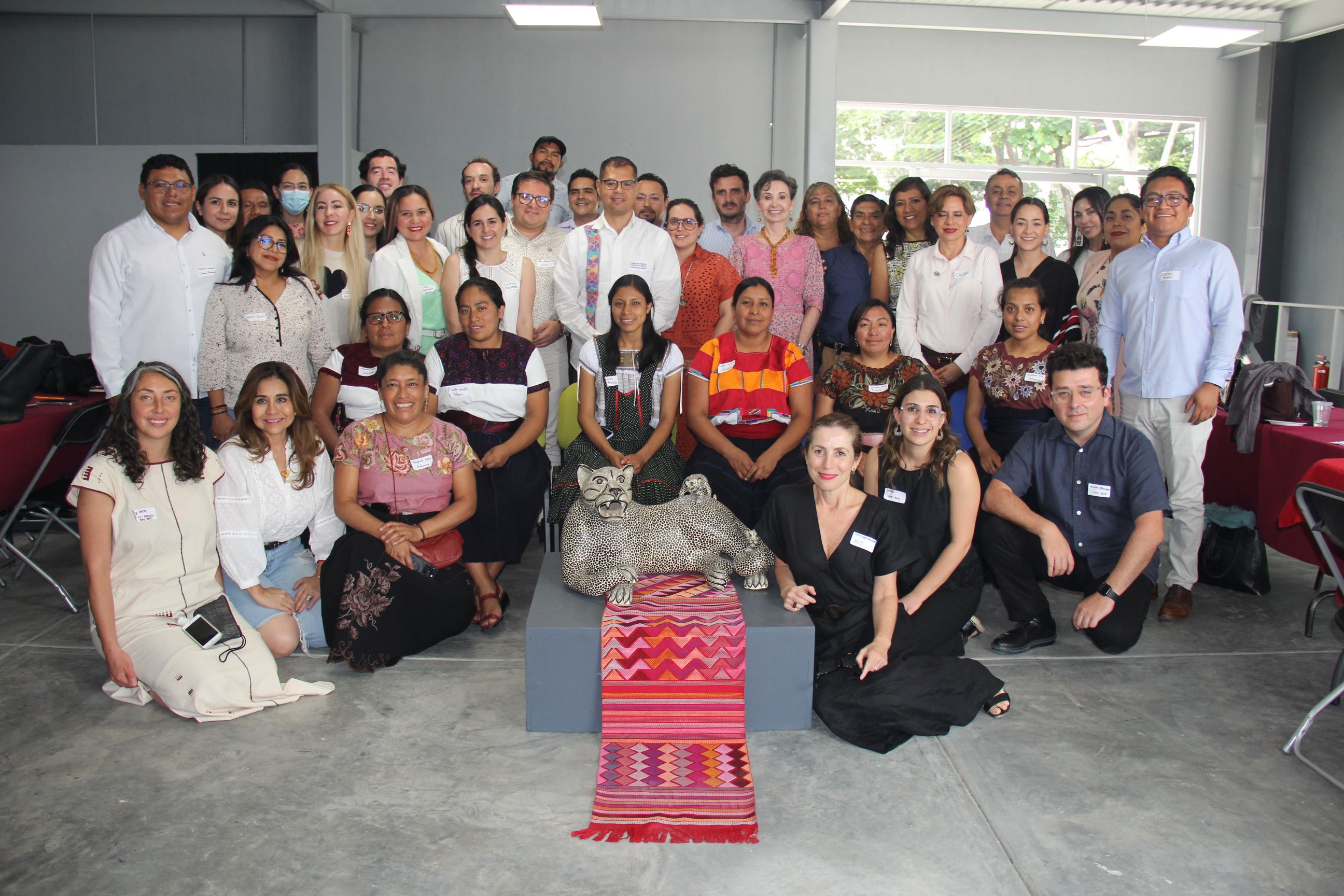
In 2023, UNIT and the IDB worked with Yucatán, Chiapas, and Oaxaca, laying the foundation for strengthening the sector. In 2024, Campeche joined the initiative, while progress in Yucatán and Oaxaca was consolidated through the facilitation of the third meeting of the executive working groups, reaffirming them as a key mechanism for intersectoral coordination for the sustainable development of CCIs.
Methodology
To carry out this project, a strategic methodology was designed to strengthen creative ecosystems through interinstitutional working groups. Inspired by successful coordination experiences in Latin America and the Caribbean, this methodology prioritizes the inclusion of representatives from the public and private sectors, civil society, and academia.
The project was developed in three phases, using concrete tools to ensure the creation of public value and sustained impact:
Strategy and Validation
- Objective: Investigate, map the impact of CCIs, design governance structures, and obtain political validation.
- Tools: Site visits, policy briefs, surveys.
Preparation and Training
- Objective: Identify and prioritize bottlenecks, design strategies, and train public servants in co-creation processes.
- Tools: Training programs, focus groups, prioritization workshops.
Implementation and Monitoring
- Objective: Launch interinstitutional executive working groups, develop solutions, and monitor implementation.
- Tools: Executive groups, strategic manuals, roadmaps.
Impact
- 250+ actors involved from the public, private, and civil society sectors.
- 90+ institutions participating at local and regional levels.
- 85+ intersectoral agreements signed to resolve priority challenges.
- 70+ bottlenecks identified, with 15 prioritized.
- 4 strategic roadmaps developed for implementation and monitoring.
- 24 public servants trained in co-creation processes.
- 1 cycle of 4 virtual conversations that brought together experts from the region.
This intervention laid the foundation for a strengthened and collaborative creative ecosystem, where CCIs are established as drivers of economic and social development in Southern-Southeast Mexico. Additionally, the methodology implemented, available in a 2024 IDB publication, is replicable in other regions with similar contexts, marking a clear path for the development of creative economies in Latin America.
Resources
- Sur-Sureste Executive Tables, IDB Publication, 2024 (Publicación)
- Ciclo de conversaciones “Sur-Sureste Creativo” (Webinar)
- Creative Economies UNIT(Landing)