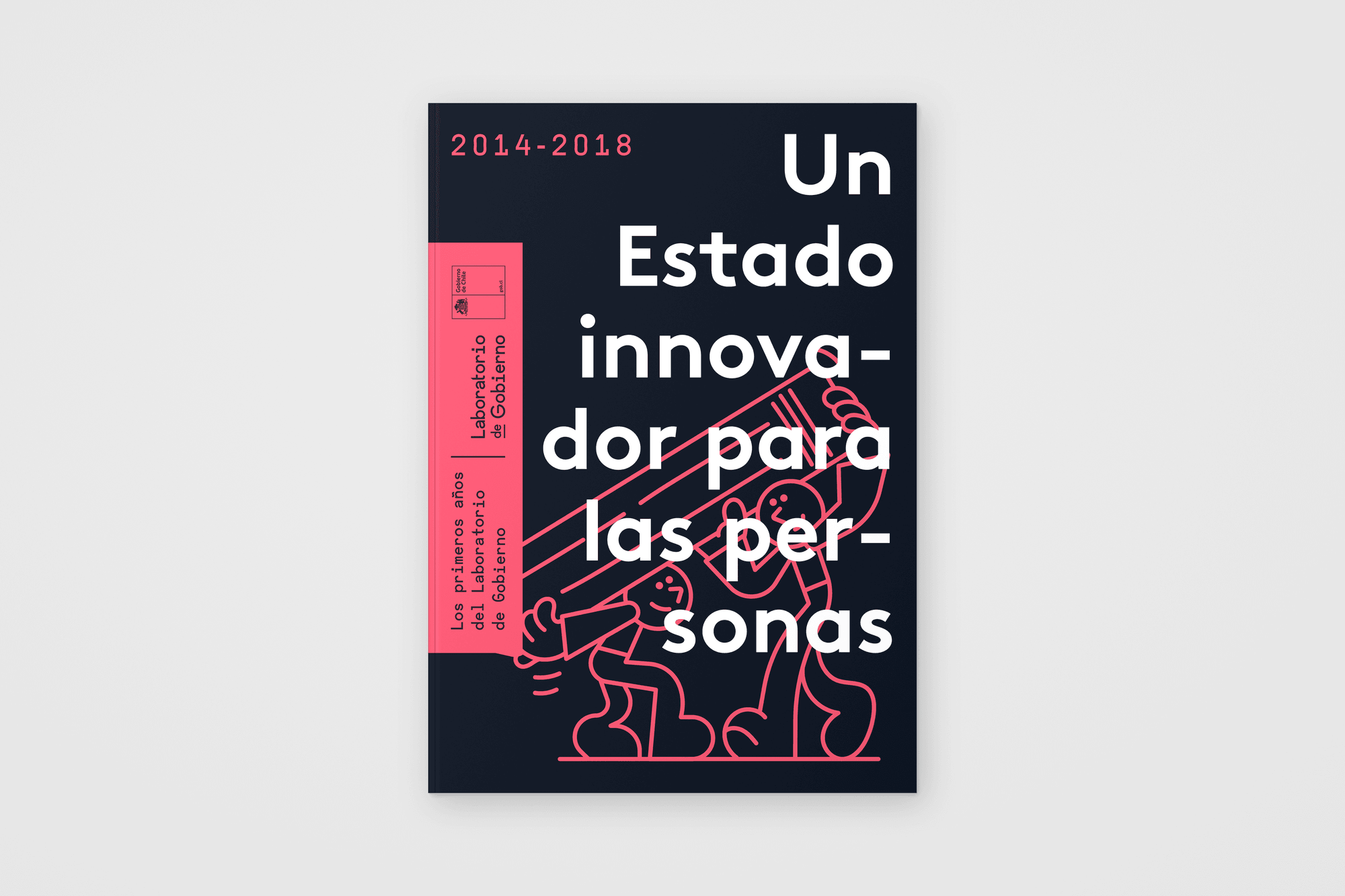
Juan Felipe López · Nicolás Rebolledo · Katalina Papic2018
Manifesto
We practice public design
Manifesto
We practice public design
Public design is the deliberate, strategic use of design to shape the systems, services, and experiences through which people and institutions meet. It is where service design, strategic foresight, and collaborative governance converge — applied to the architecture of public life itself: the programs that build capabilities, the services that earn trust, the governance models that enable collective action, and the collaborative ecosystems through which institutions learn to navigate complexity together.
UNIT's founding team led the creation of one of Latin America's first government innovation labs in Chile in 2014. What we learned then — and have built on ever since — is that public challenges demand an architecture of services capable of holding multiple perspectives, orchestrating diverse actors, and sustaining transformation over time. That conviction shapes everything we do.
Our practice is built on three principles:
1. The public sphere is designed, not given.
The space where people and institutions meet — where services are delivered, trust is built or broken, and collective futures are negotiated — is not natural or inevitable. It is constructed. That space can be designed well or poorly. It can exclude or include. It can generate value for a few or for many. We believe it can — and must — be deliberately designed for the common good.
2. Public is bigger than the state.
The public sphere is larger than the state and irreducible to the market — it is the generative space where governments, regulated industries, civil society, communities, and citizens converge. Healthcare systems, energy networks, transport infrastructure, and financial inclusion — these are shaped by public and private actors alike, and their design determines whether public value is created or eroded. Service design builds the infrastructure this public sphere demands.
3. Complexity is not going away — and that is the point.
Public challenges require design to become a way of seeing systems, holding multiple perspectives simultaneously, and creating the conditions for transformation. The outputs of this practice are durable patterns designed for maximum reuse: scalable structures, governance frameworks, and shared language that enable institutions to act with consistency and purpose, long after any single intervention ends.
PUBLICATIONS
Ideas, frameworks, and field notes from our practice.
PUBLICATIONS
Ideas, frameworks, and field notes from our practice.
We publish to share what we learn: tested methods, evolving frameworks, and reflections from the field. Across formats, we develop long-form articles, client reports, multimedia series, and a journal on Substack.
We publish to share what we learn: tested methods, evolving frameworks, and reflections from the field. Across formats, we develop long-form articles, client reports, multimedia series, and a journal on Substack.
Insights
See all
Juan Felipe López · Nicolás Rebolledo2026
Remaking public innovation practice: three shifts
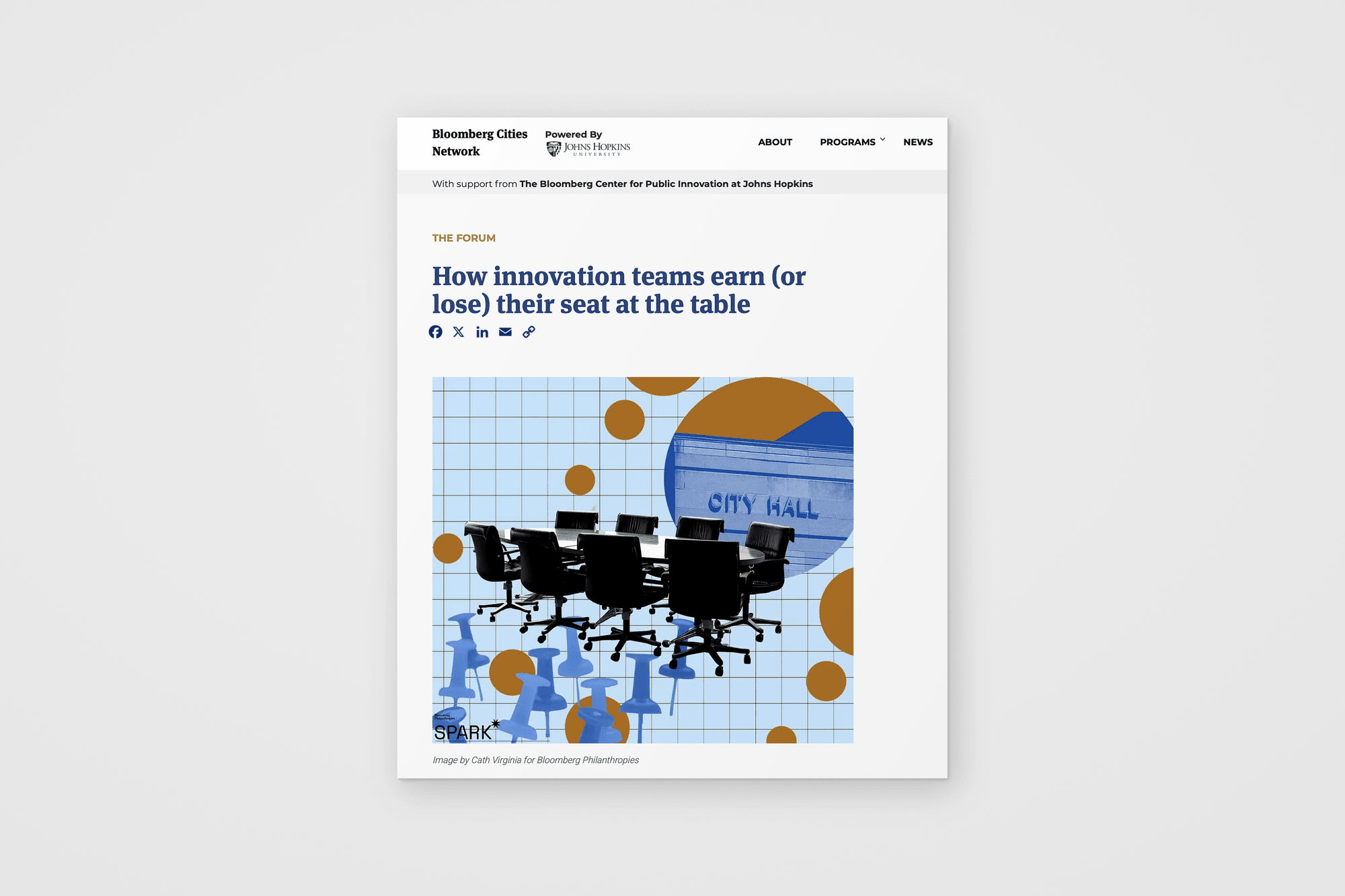
Juan Felipe López2026
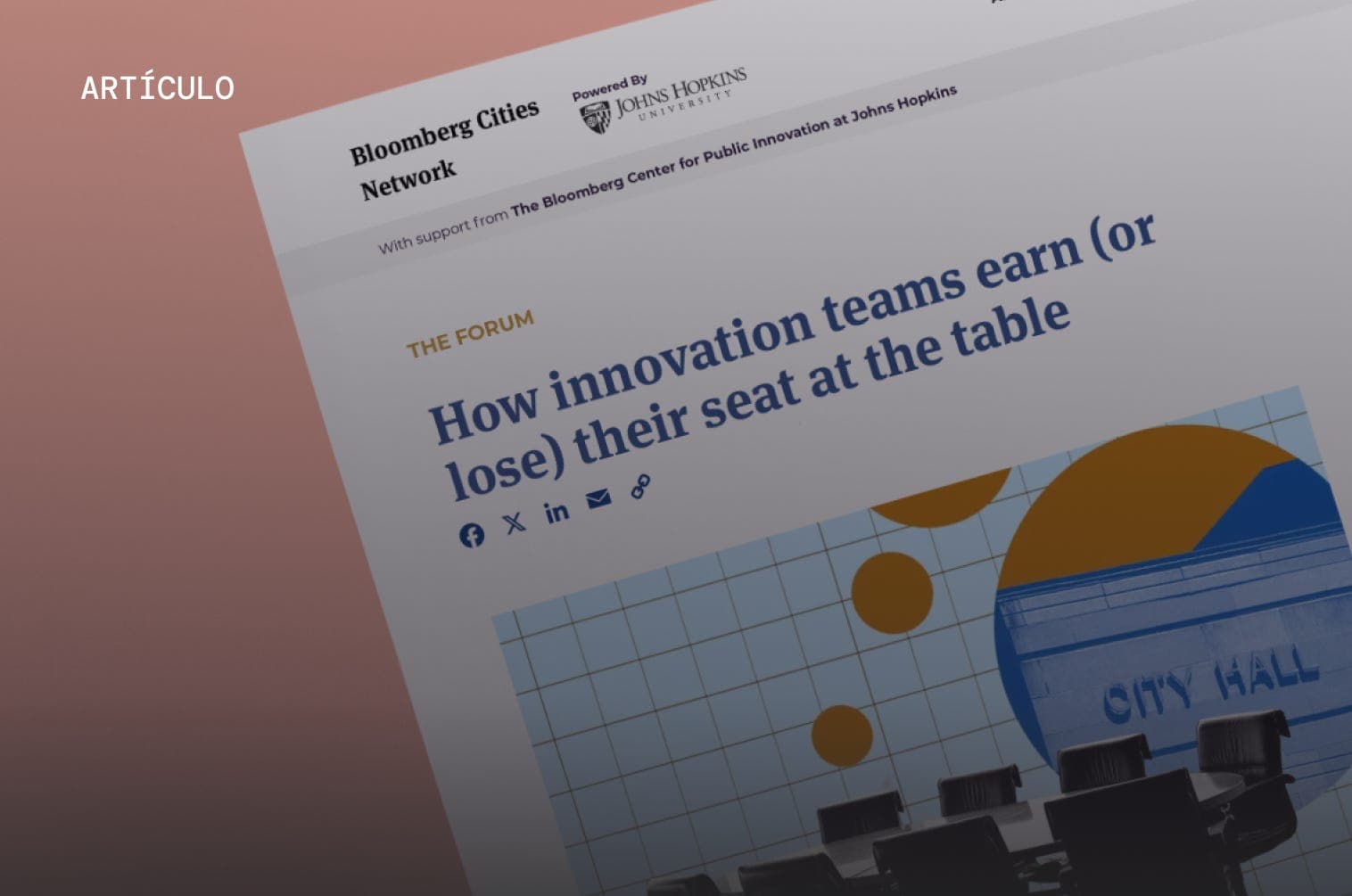
How innovation teams earn (or lose) their seat at the table
Juan Felipe López · Nicolás Rebolledo · Katalina Papic2018
An innovative State for people: the early years of Chile’s Laboratorio de Gobierno
Juan Felipe López · Nicolás Rebolledo2026
Remaking public innovation practice: three shifts
Juan Felipe López2026
How innovation teams earn (or lose) their seat at the table
Diseño Público: A multimedia reports series
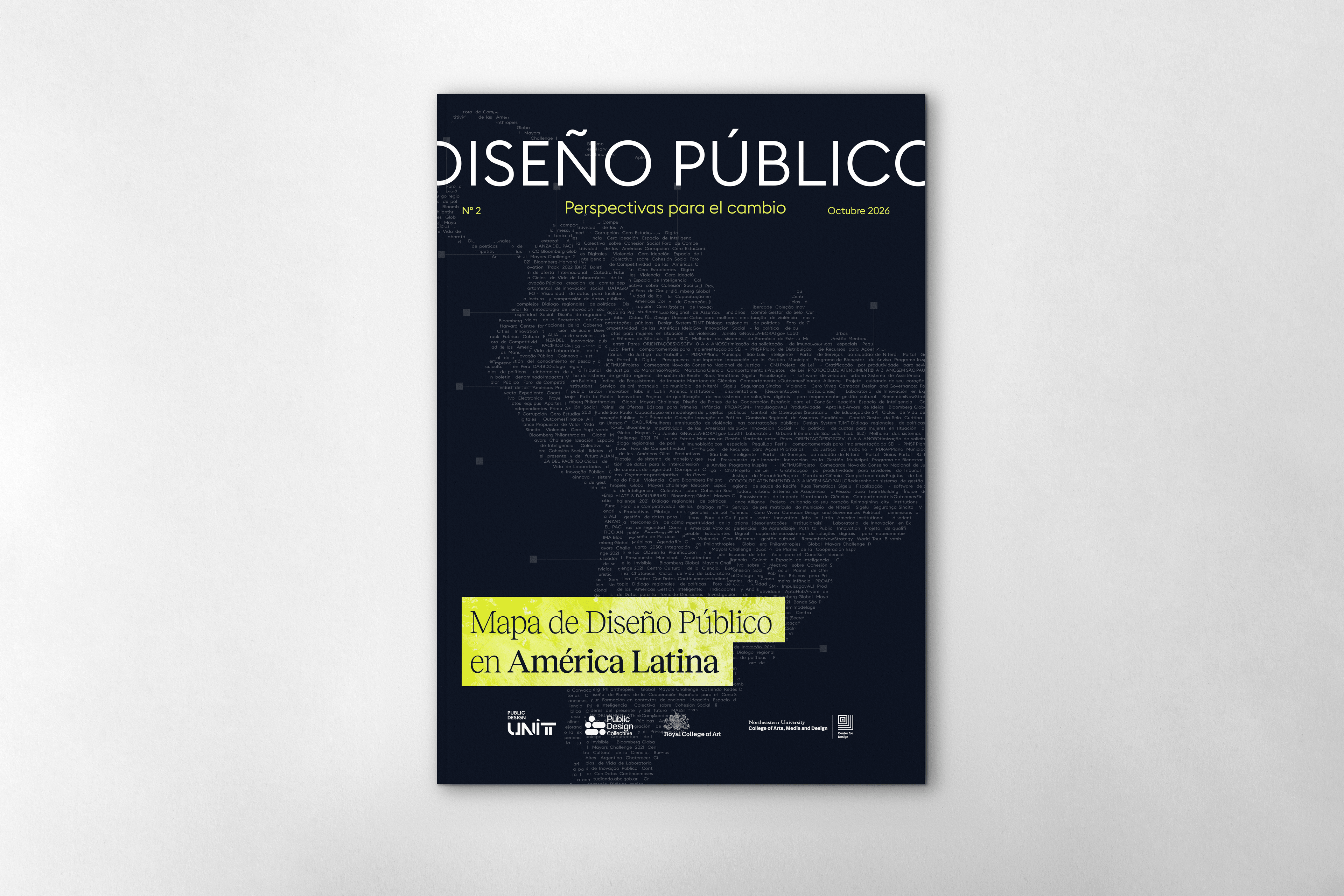
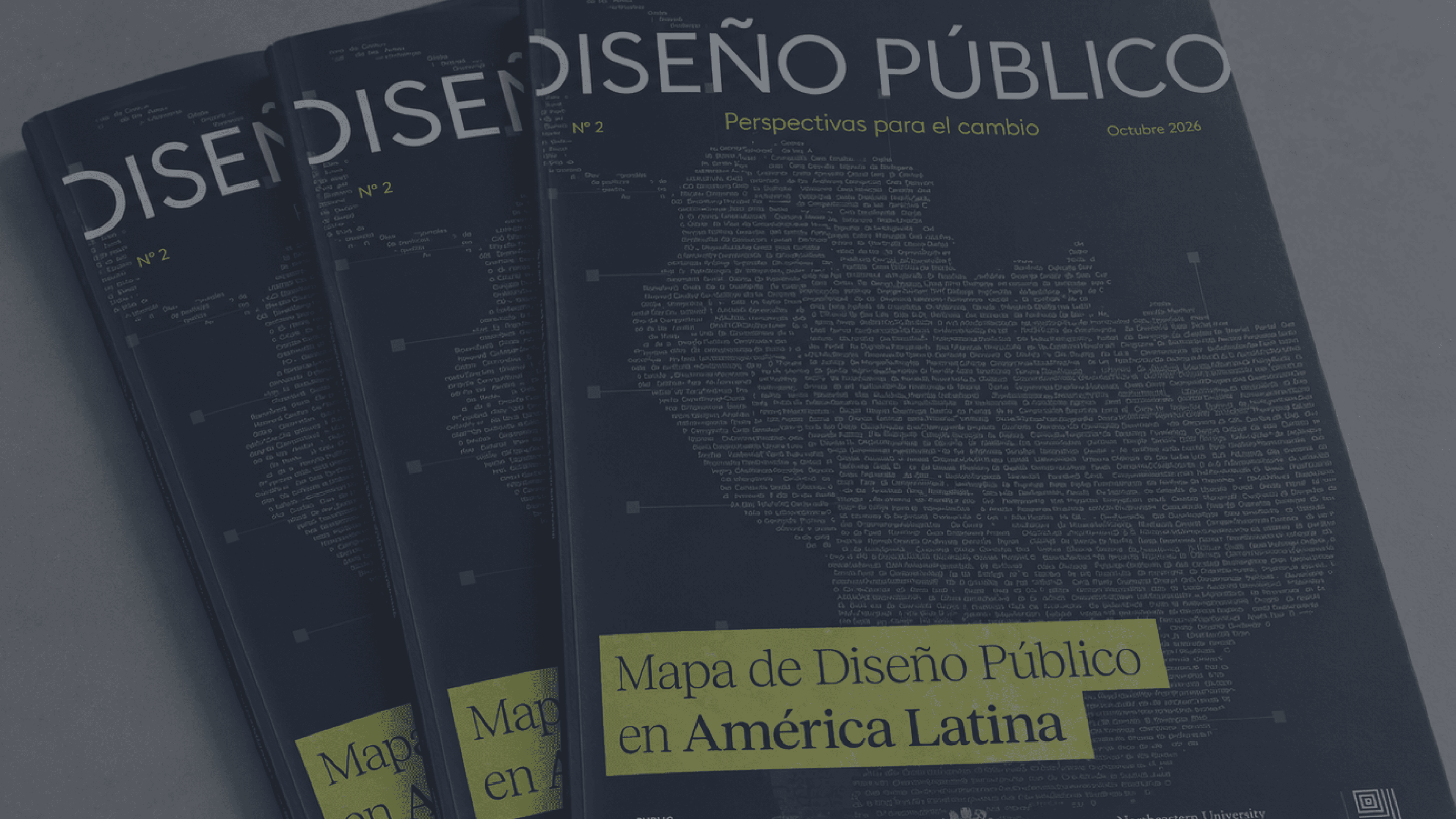
Vol 2 . Diseño Público - Public Design Map in Latin America
A first panoramic look at the practice of public design in Latin America. This publication is the result of research by UNIT together with Public Design Collective, which surveyed 127 professionals, detailing more than 300 projects across 20 countries.

Vol 1 . Diseño Público - Transformation Patterns Transformation Patterns: The Experience of Local Governments
UNIT systematised ten years of work alongside 170 local governments in 17 countries to identify ten recurring patterns of institutional transformation, organised around three dynamic capabilities: learning, connecting, and signalling.
Vol 2 . Diseño Público - Public Design Map in Latin America
A first panoramic look at the practice of public design in Latin America. This publication is the result of research by UNIT together with Public Design Collective, which surveyed 127 professionals, detailing more than 300 projects across 20 countries.
Vol 1 . Diseño Público - Transformation Patterns Transformation Patterns: The Experience of Local Governments
UNIT systematised ten years of work alongside 170 local governments in 17 countries to identify ten recurring patterns of institutional transformation, organised around three dynamic capabilities: learning, connecting, and signalling.
Client reports
See all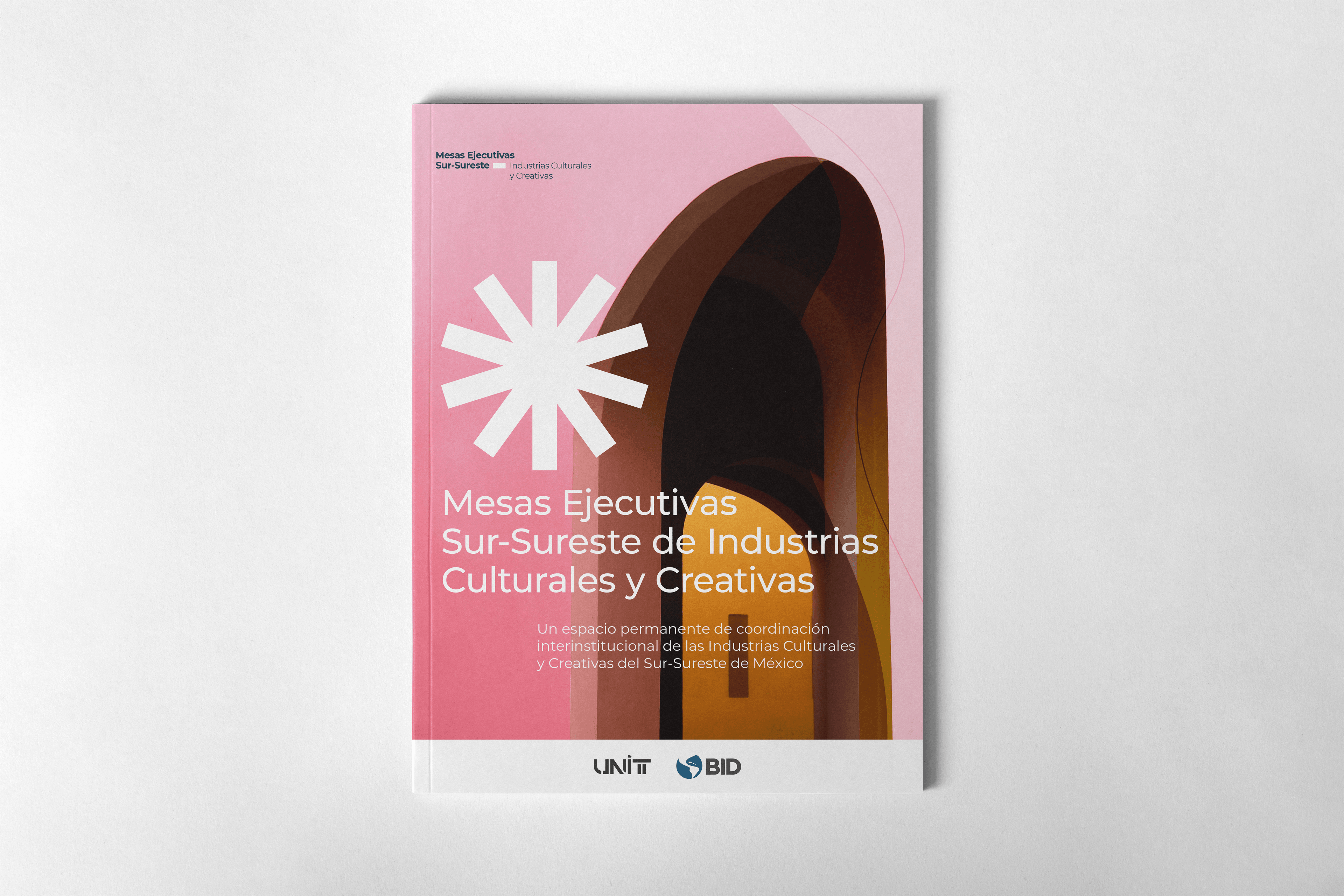
2024
Southern-Southeastern Mexico Cultural and Creative Industries Executive Roundtables
UNIT designed and implemented for the IDB a public-private articulation model for the CCI of Southern-Southeastern Mexico — establishing 3 executive roundtables in Yucatán, Oaxaca, and Chiapas, involving more than 200 people and 80 institutions and identifying 52 sectoral bottlenecks.
2025
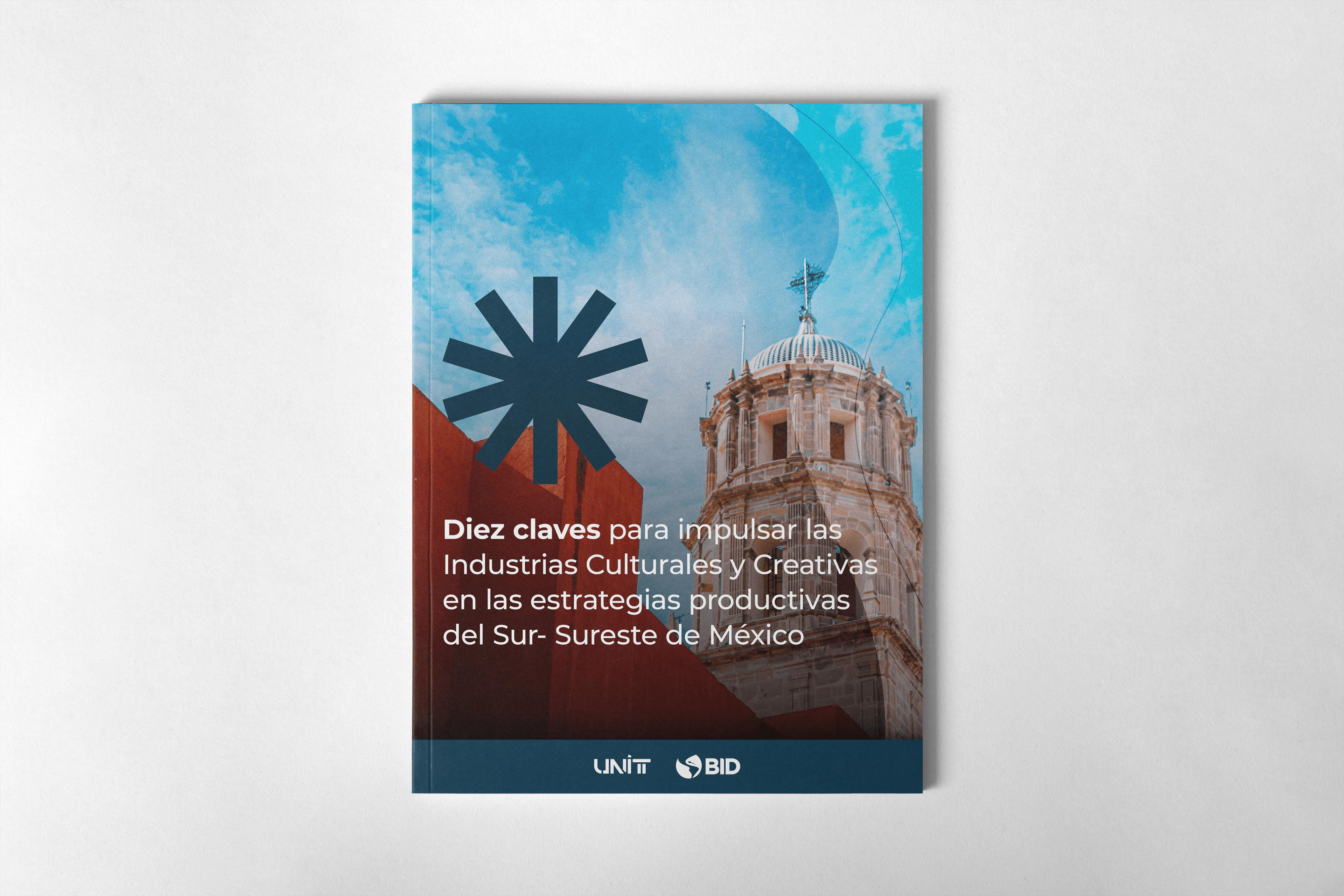
Ten Keys to Boosting Cultural and Creative Industries in the Productive Strategies of Southern-Southeastern Mexico
Drawing on the ICC Executive Roundtables project implemented by UNIT for the IDB, this report identifies ten enabling factors for integrating cultural and creative industries into the productive development strategies of Southern-Southeastern Mexico.
2022
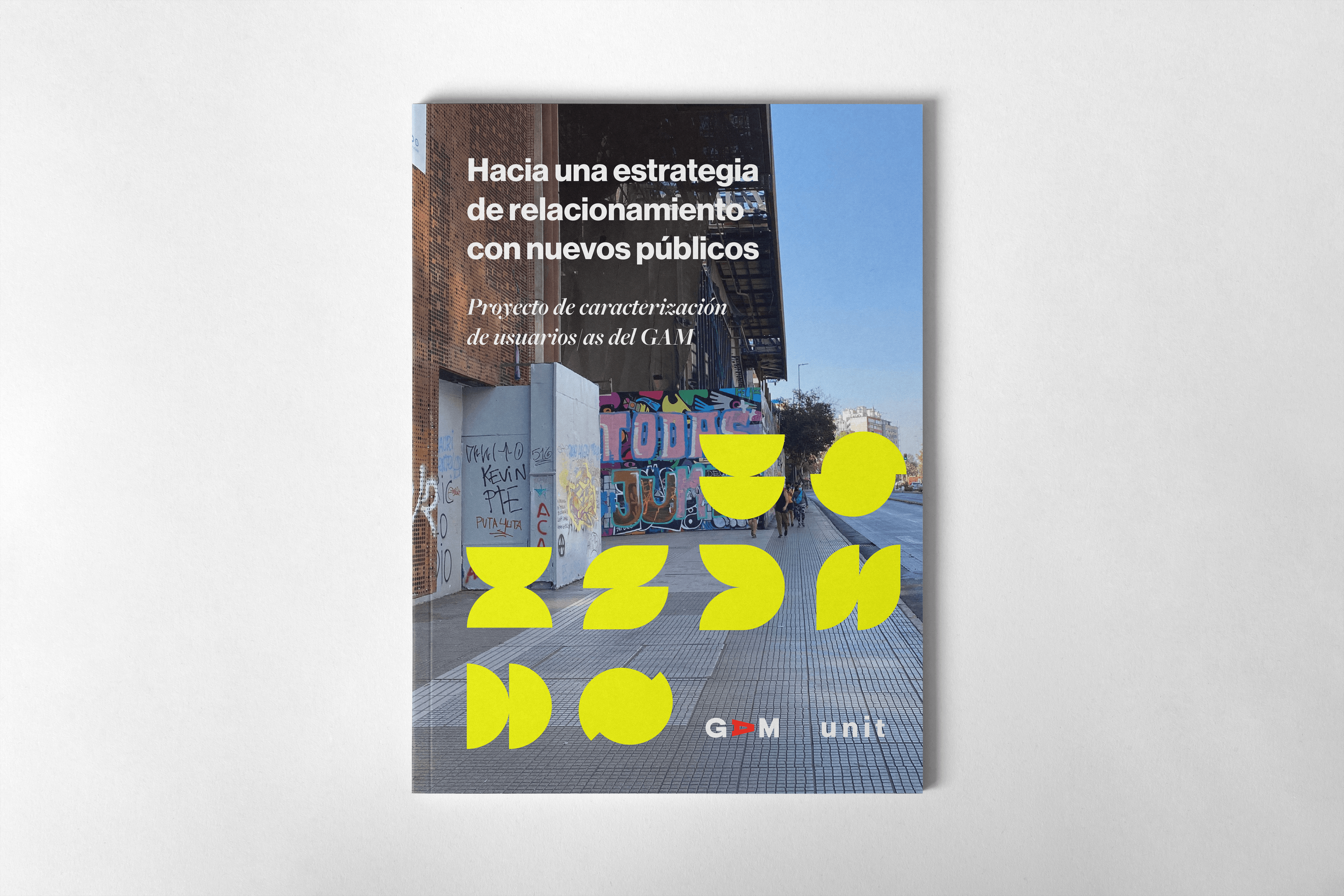
Towards an Audience Engagement Strategy
UNIT conducted a service design-based audience characterisation for GAM, identifying 8 user profiles and formulating 6 strategic objectives with 19 specific goals to strengthen the relationship between the cultural centre and its communities.
2024
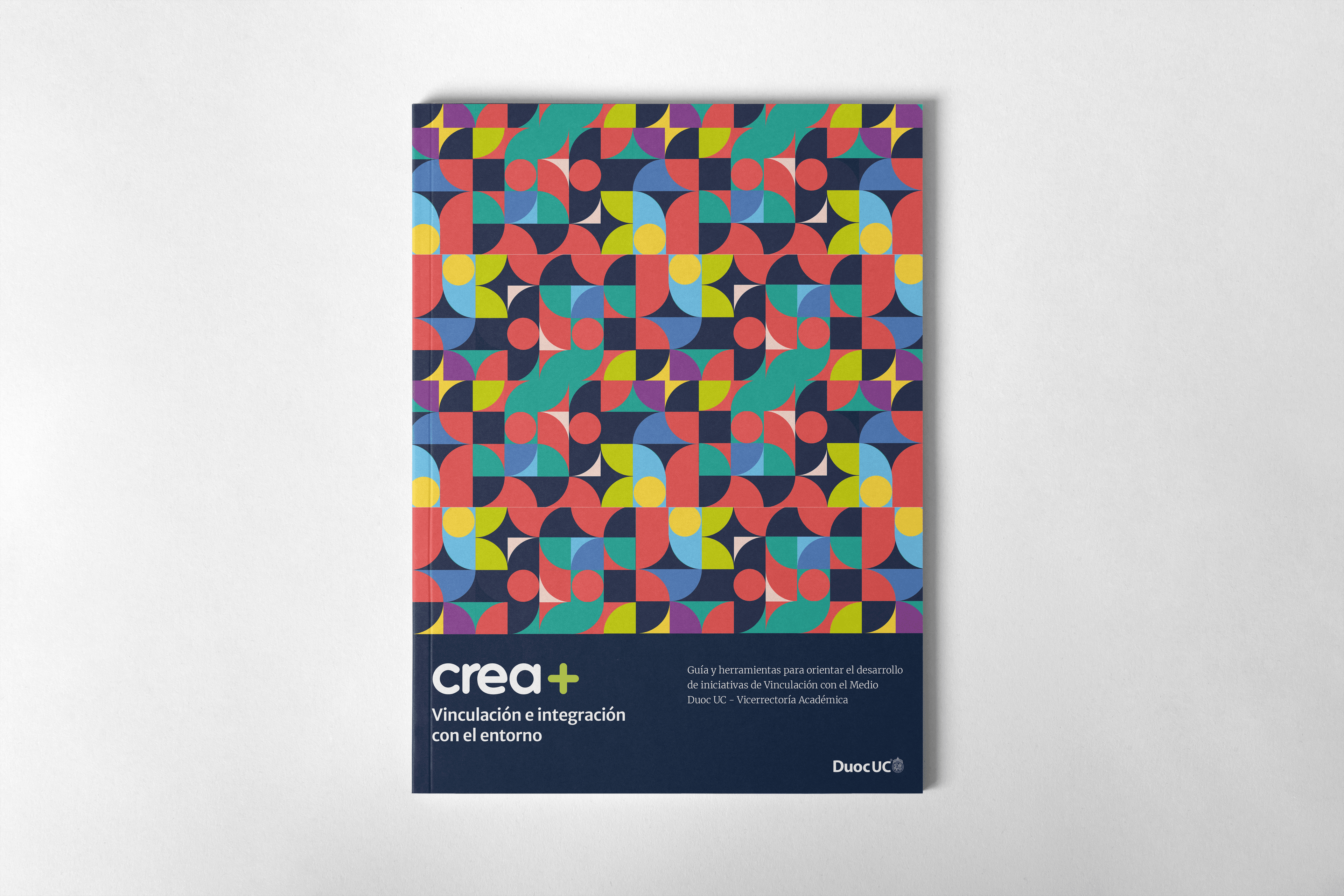
CREA+ Community Engagement and Environmental Integration
UNIT and Duoc UC co-designed — with more than 100 people across all campuses and schools — a practical guide and toolkit system to operationalize the institution's Community Engagement policy in Chilean technical-professional education.
2024
Southern-Southeastern Mexico Cultural and Creative Industries Executive Roundtables
UNIT designed and implemented for the IDB a public-private articulation model for the CCI of Southern-Southeastern Mexico — establishing 3 executive roundtables in Yucatán, Oaxaca, and Chiapas, involving more than 200 people and 80 institutions and identifying 52 sectoral bottlenecks.
2025
Ten Keys to Boosting Cultural and Creative Industries in the Productive Strategies of Southern-Southeastern Mexico
Drawing on the ICC Executive Roundtables project implemented by UNIT for the IDB, this report identifies ten enabling factors for integrating cultural and creative industries into the productive development strategies of Southern-Southeastern Mexico.
2022
Towards an Audience Engagement Strategy
UNIT conducted a service design-based audience characterisation for GAM, identifying 8 user profiles and formulating 6 strategic objectives with 19 specific goals to strengthen the relationship between the cultural centre and its communities.
2024
CREA+ Community Engagement and Environmental Integration
UNIT and Duoc UC co-designed — with more than 100 people across all campuses and schools — a practical guide and toolkit system to operationalize the institution's Community Engagement policy in Chilean technical-professional education.

Read our Blog
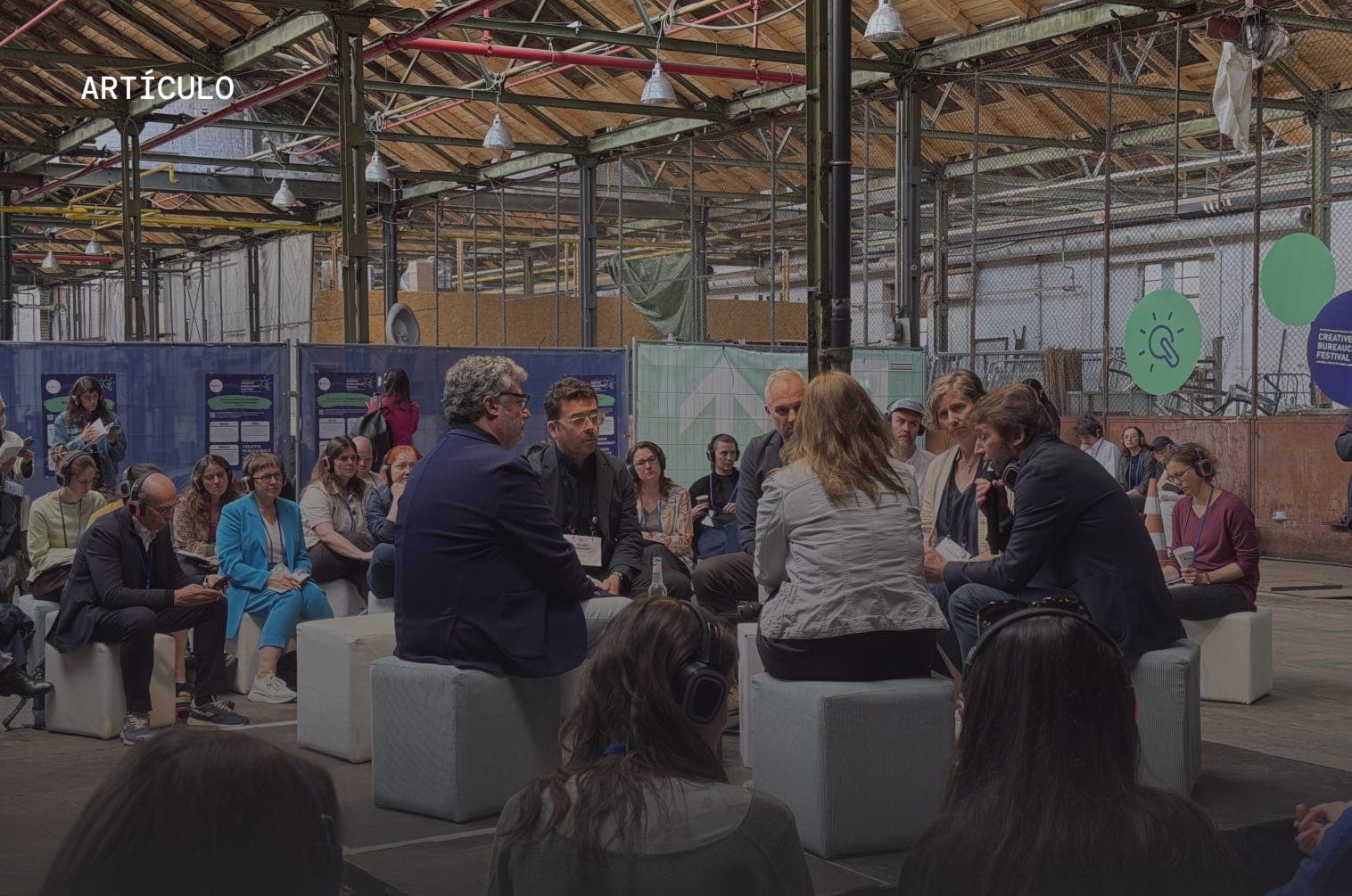
UNIT está construyendo el hub latinoamericano del Creative Bureaucracy FestivalPoder y talento, o por qué algunos equipos ganan su lugar en la mesa.Read our Blog
UNIT está construyendo el hub latinoamericano del Creative Bureaucracy FestivalPoder y talento, o por qué algunos equipos ganan su lugar en la mesa.Read our Blog
UNIT está construyendo el hub latinoamericano del Creative Bureaucracy FestivalPoder y talento, o por qué algunos equipos ganan su lugar en la mesa.Read our Blog
UNIT está construyendo el hub latinoamericano del Creative Bureaucracy FestivalPoder y talento, o por qué algunos equipos ganan su lugar en la mesa.Read our Blog
UNIT está construyendo el hub latinoamericano del Creative Bureaucracy FestivalPoder y talento, o por qué algunos equipos ganan su lugar en la mesa.Read our Blog
UNIT está construyendo el hub latinoamericano del Creative Bureaucracy FestivalPoder y talento, o por qué algunos equipos ganan su lugar en la mesa.Thoughts and Insights
Ideas for transforming organizations
Thoughts and Insights
Ideas for transforming organizations
A living editorial space for the ideas behind our work — where methods, questions, and reflections become part of a wider public conversation.
A living editorial space for the ideas behind our work — where methods, questions, and reflections become part of a wider public conversation.