

Article
Innovating for the Education of the Future
Today, innovating in education is no longer an option. It is an urgency. Higher education is undergoing transformation worldwide.
Katalina Papic, Socia y Directora de UNIT
APRIL 15, 2026
Higher education is undergoing transformation worldwide. Many phenomena are unfolding alongside people and new generations, and organizations need to anticipate them.
Social, political, technological, demographic, and cultural shifts are occurring faster than the transformations that institutions themselves are undergoing.
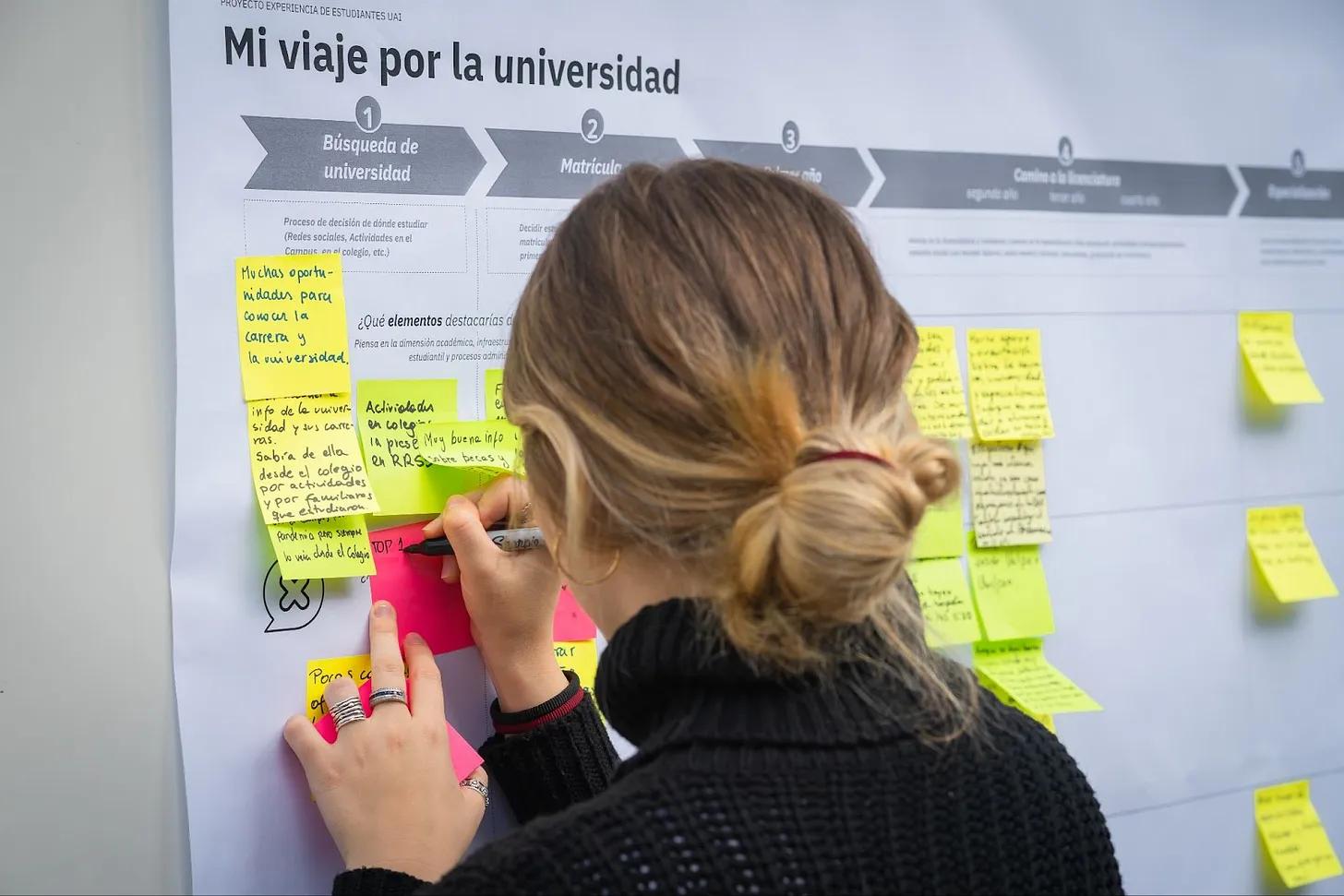
Through close engagement with social media, influencers, and non-traditional public figures, new generations approach higher education differently. This is a generation shaped by immediacy and driven by principles. Students today demand an experience centered on their needs — one that is increasingly less transactional and equips them with tools to make a positive impact on the world, with a sense of urgency.
On the other hand, digitalization and automation are radically transforming the way we work and study. Higher education institutions will need to reassess what this means for research, academic programs, and day-to-day operations — including how they will navigate the moral and ethical dilemmas these changes entail.
With rising life expectancy, working lives are growing longer and the market is shifting toward a lifelong learning model. Institutions must update their academic programs and organizational structures to respond to this reality. Addressing these challenges requires deep organizational transformation and a cultural shift that takes a systemic approach to what is happening.
Four Dimensions of Analysis and Intervention
At UNIT, we propose considering four dimensions of analysis and intervention:
- The organization: What is the strategy? What agenda does the institution want to advance?
- People: Who are the users? What do they need and what do they aspire to?
- Technologies: How can available infrastructure and technologies be leveraged?
- Capacities: How can dynamic capabilities be developed within teams to make transformations sustainable?
Four Design Pathways for Transformation
Drawing on our experience, we have identified at least four pathways through which design can contribute to this transformation:
- Transforming the student experience, redefining the value proposition based on a deep understanding of students.
- Building innovation management systems, with governance structures and programs that make redesign efforts viable.
- Strategically planning for the future, constructing an institutional vision that mobilizes and aligns key stakeholders.
Creating service models for community engagement, designing collaborative mechanisms that connect the educational community with its environment.
Today, innovating in education is no longer an option. It is an urgency. The challenge is not to adapt, but to anticipate. Are you working to transform education from within your institution? Write to us. Let’s talk.