
Design in Transit: Co-Creating a National Platform for Design Culture
UNIT partnered with the Ministry of Cultures, Arts and Heritage to design and produce two consecutive editions of Design Month — building a co-created programming platform that positioned design as a strategic cultural and economic force in Chile, reaching more than 3,000 participants across 17 countries.
Design Culture Lacking a Public Stage
Design in Chile carries significant economic and cultural weight, yet for much of its history the discipline has been poorly represented in public policy, underfunded as a sector, and largely invisible to audiences beyond the professional community. The Ministry of Cultures, Arts and Heritage’s Design Area had been running Design Month for nearly a decade — an annual initiative to promote and position design as a pillar of the creative economy. But the programme faced structural limitations that kept it from fulfilling that ambition.
Content had been built primarily from available supply rather than from a systematic understanding of where the sector was heading. The voices and practices shaping the future of design — sustainability, transdiscipline, digital culture, speculative futures, decolonial approaches — were not consistently present in the agenda. Reach was concentrated in Santiago and within the established design community, leaving emerging practitioners, students, and regional actors underserved. And the format, built around physical events, had not kept pace with the expanding boundaries of design as a discipline.
In 2020, the pandemic forced a total pivot to digital delivery. What could have been a crisis became an inflection point: the same constraints that eliminated in-person attendance opened the event to participants across Latin America and beyond. But the opportunity demanded a rethinking of how the programme was built — not just how it was delivered. By 2021, Design Month celebrated its tenth edition. The question was no longer whether design deserved a national platform, but whether the platform was capable of doing justice to a discipline in transformation.
Designing from Above vs Designing from Within
UNIT approached both editions as a co-creation and content design challenge, not an event production exercise. The premise was straightforward: a programme about the future of design had to be built in dialogue with the people living that future. Before any content was produced, UNIT led a structured stakeholder engagement process to understand what the sector needed, what it had missed in previous editions, and where the discipline was heading.
For the 2021 edition, this process included an evaluation survey with 63 responses from designers, academics, and students; a co-design session with 22 sector actors to identify thematic directions and programme formats; and a working session with five professional curators to define the criteria and architecture of the Intersecciones showcase. These were not consultations — they were generative inputs that directly shaped the five thematic axes that structured the 2021 programme: sustainability, transdiscipline, cultural diversity, digitalism, and futures.
The programme architecture itself was a design decision. UNIT structured both editions around three complementary tracks: a Festival of Ideas and Conversations — the intellectual backbone, featuring masterclasses and panels with national and international speakers; Intersecciones, a curated showcase of Chilean design practice; and a Sponsored Events network, which opened the programme to the broader sector by supporting independently organized events aligned with the edition’s themes. This three-track model allowed the event to operate simultaneously as a high-level intellectual platform and as a participatory community space.
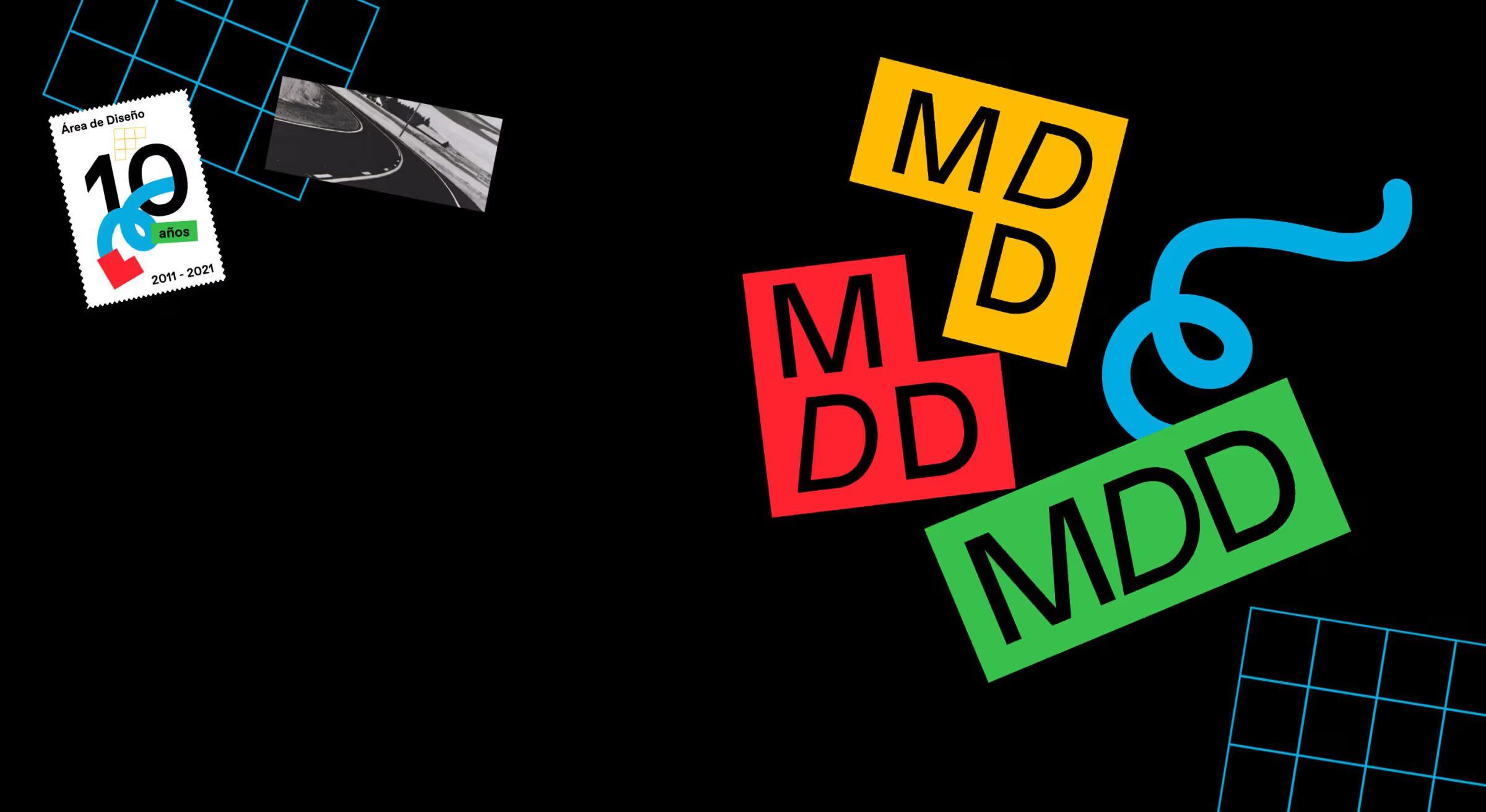
The thematic framing was equally deliberate. In 2020, the question was “what does it mean to design today?” In 2021, the tenth anniversary edition was titled Diseño en tránsito — Design in Transit — inviting the sector to map the routes of transformation that design as a culture, practice, and discipline was navigating. The curatorial logic connected each thematic axis to concrete questions about design’s evolving role, its expanding adjacencies, and its responsibilities to society, ecology, and cultural heritage.
Impact
+80
Events held across the two editions of Design Month
+85
National and international speakers contributed to the programme
+3000
Participants from 17 countries took part across both editions
+1600
Visualizations of 2021 activities through Zoom, YouTube, and Instagram
Networks and Collaborations
Design Month is an initiative of the Design Area of the Ministry of Cultures, Arts and Heritage of Chile (MINCAP), the government body responsible for design policy, the creative economy, and the positioning of design as cultural heritage. UNIT served as the strategic and creative lead for both editions, responsible for programme architecture, content curation, stakeholder engagement, communications design, and digital production.
The 2021 edition was co-produced with AlterStudio. The programme brought together national and international speakers across five thematic axes, professional curators from Chile’s design ecosystem (including Local, Impresionante, Facción Madrugada, and Chile Diseño), university design departments, and a network of independently organized sponsored events that extended the programme’s geographic and thematic reach. Participants joined from Chile, the United States, Argentina, Brazil, and 13 additional countries.
When a Sector Event Becomes a National Conversation
The most significant qualitative shift across the two editions was the transition of Design Month from a supply-driven programme calendar to a co-created platform with genuine sector ownership. By building the programme through structured stakeholder engagement, UNIT ensured that the content reflected where design was actually going — not where it had been. Themes like speculative design, decolonial design practice, design and artificial intelligence, and design for climate transition appeared in the programme because practitioners identified them as urgent, not because they were convenient to programme.
The digital format, initially a constraint, became a structural asset. Participants from across Latin America and beyond who would never have attended a Santiago-based in-person event became part of a community of practice that formed around the programme. The design of the Intersecciones track as a curatorial space — rather than a passive showcase — created conditions for cross-disciplinary connections within the Chilean design community, linking practitioners who rarely encountered each other within their own sector silos.
The tenth anniversary edition in 2021 also served as a moment of institutional reflection for the Ministry’s Design Area. The co-design process surfaced consistent feedback about what the sector valued most in these spaces: not the prestige of speakers alone, but the quality of connection and the depth of conversation. This feedback directly informed the programme’s structural emphasis on dialogue formats, audience participation, and community-building across sessions.
Design as a Public Policy Instrument, Not Just a Sector Event
Design Month represents something more than an annual cultural programme. In the context of Chile’s creative economy policy agenda, it functions as a public good: a state-funded platform that makes design thinking, design culture, and design debate accessible to practitioners, students, institutions, and citizens who would otherwise have no structured space to engage with these questions. The decision to deliver both editions digitally and freely accessible — not behind accreditation fees or professional registration — made this access genuinely universal.
The programme’s thematic architecture — sustainability, transdiscipline, cultural diversity, digitalism, futures — reflects a broader claim: that design is not a narrow technical discipline but a field of cultural practice with implications for how societies address their most complex challenges. Positioning these conversations at the level of national cultural policy, through the Ministry, gives them a legitimacy and a platform that the sector alone could not generate. UNIT’s role was to make that ambition programmatically credible.
For Latin America more broadly, the Design Month model offers a replicable architecture for how national design policy can be implemented through participatory cultural programming. Rather than reducing design promotion to industry support or economic measurement, the initiative treats design as a domain of public inquiry: a space where citizens, practitioners, and institutions can think together about the futures they are building. The co-creation methodology — stakeholder surveys, actor sessions, curator workshops — ensures that this public inquiry remains connected to the sector it claims to represent, rather than becoming an institutional projection of what design should be.